How Can I Help? Actual requests from the Mental Health Ward
This time last year, I was in a psych ward. It was a hit I didn’t see coming. I’m grateful I had the option to access acute care and feel contained physically while my mind was running wild, but it was still hellish. To make some good out of it, in the weeks that followed, I made a list of things that were genuinely helpful. I remember thinking that so often people (including me) want to help someone in mental distress, but don’t know how. This list is personal to me, and it might not work for everyone, but hopefully it gives you some inspiration and permission to try something you wouldn’t have otherwise.
Things I need….
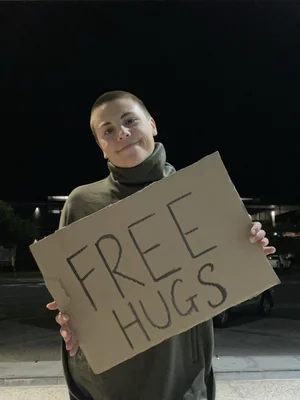
Physical touch - lots of hugs.
Deep listening and unconditional acceptance - don’t try and change me, meet me where I am.
Attention - regular scheduled and unscheduled quality time. If you can, commit to a phone call or walk at the same time each week. The consistency of a routine will feel like an island in the storm.
Understanding - Read, research, talk to professionals and make an effort to learn about what I’m going through. Accept there’s no one right path when it comes to my recovery, let me take the lead and listen when I ask for help.
Kindness - I’ve never been more grateful for someone going above and beyond, than when accessing MH support services. From the nurse in ED apologizing and acknowledging this could be a dehumanizing experience when my trackies were confiscated because of the draw string, to a girl at a nearby café offering extra matcha because my keep cup was really small… the light of sincerity is even brighter against the backdrop of chaos.
Be my voice - If you can (and have permission), advocate. The MH unit I was in was under-staffed, and I was left with lots of questions and no capacity to ask for what I needed. My mum rang the hospital and was able to relay information back to me via text. This helped immensely.
Let me be as needy as I need.
Check in, often. I had a circle of friends who’d message me every day. Their texts formed a little circle of support I could lie down and sleep in. A simple, “How are you feeling?” “What’s going on inside your head?” or even “Thinking of you” is helpful.
Organize appointments and keep track of my care plan. You need high profile EA skills to navigate all the calls, intake assessments, paperwork and appointments. Help me make calls or even sit with me while I do it.
Be silly and make a fool of yourself - lip sync, make up a skit, put on a puppet show. Production quality doesn’t matter, even a moment of fun is a welcome reprieve.
Community - share what I’m going through with others. This is highly personal, but to me, telling people helps destigmatize mental illness and increases my chances of getting help from the community. At the very least, it makes it less stressful for me to walk through the world because I don’t have to worry about pretending. When I was able, I told people I ran into what was going on. I got extra hugs and offers of support, and it felt amazing.
Be open to doing your own work/receiving help. There’s nothing worse than feeling like you’re not only the problem, but the only problem. I love it when people around me use my experience as a catalyst for their own exploration into mental health.
What to say…
“We are so glad you're here.” (One of the nurses said this to me when I was admitted and it really helped relax the shame and feelings of being a burden)
“It's better you're here now, rather than needing more acute care later down the track.” (Re-enforces the decision to seek help, which can often be fraught with anxiety)
“What can I do? What can I bring?”
The friends and family who were there for me during my admission, the things they did and the way they showed up, will be etched in my heart forever. Their presence in my life is one of my greatest accomplishments.
It can feel daunting trying to give and receive help, especially when the person in front of you is going through something you can’t imagine, but you can make an impact. Tiny moments of relief, kindness and joy add up to rebuild a solid foundation that makes living bearable (even appealing) again.
You’ve got this,
Jae
Bonus: If you’re the one in need of some extra love and support and have the capacity, try sending a text (or having a close friend or family member do it for you).
“Hi friends. I checked myself into the psych ward at (hospital). It’s pretty brutal. Visiting hours are .... I could really use some help. I’d love… hugs, snacks, games, flowers and listening ears.”